Pay in installments of $7.05 with
 ,
,
 and
and

Shipping Estimate
USA
- USA
- CAN
- USA
- CAN
Ships within 48 hours · Estimated delivery Jul 1 - Jul 6
 Promo Codes Available:
For Your Every Summer RSVP, with Code: SUMMER15
Description
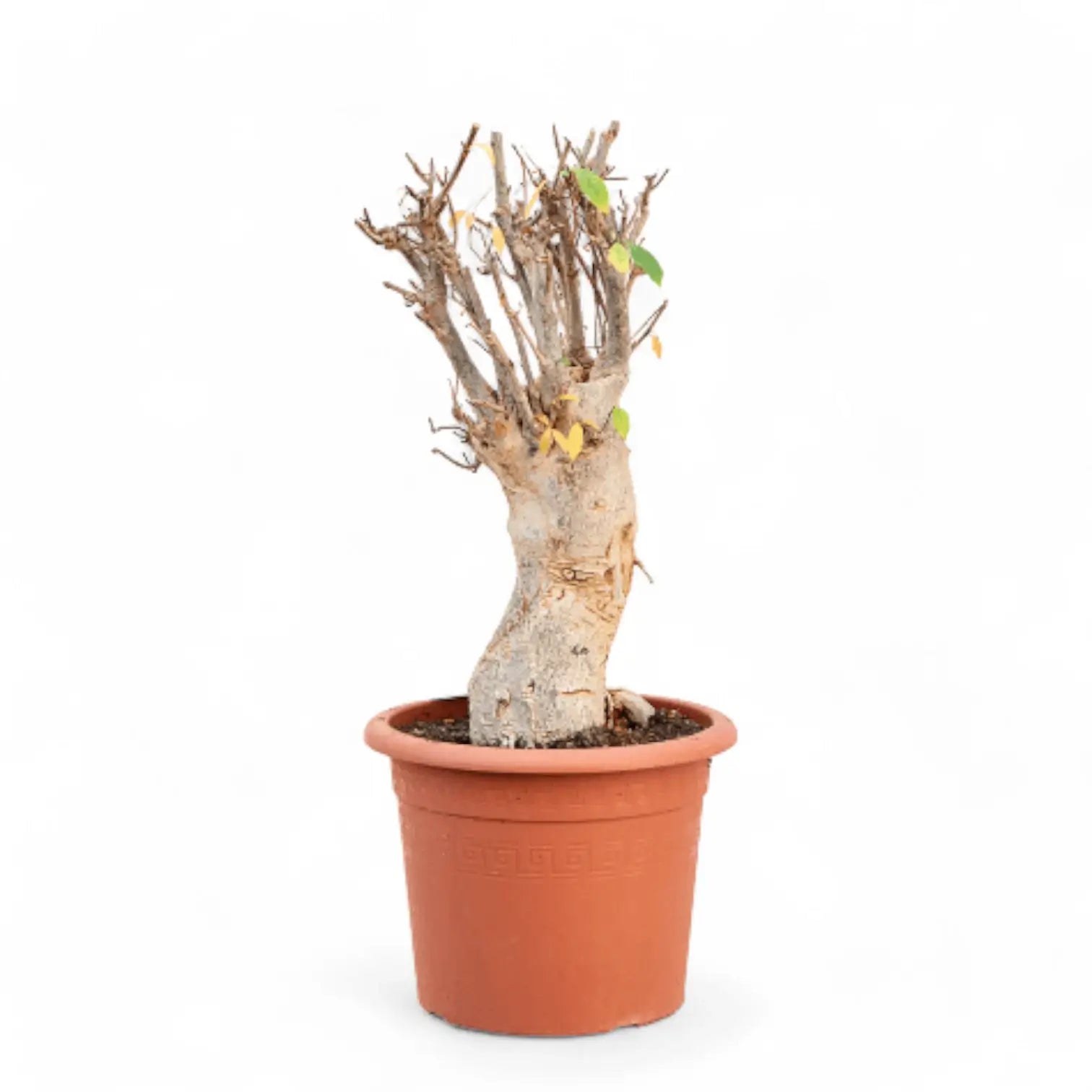
baobab indoor plant Adansonia digitata Baobab – Foliage FactoryAdansonia digitata Adansonia digitata is the African baobab, grown in a pot for its thickening woody trunk, branching structure and seasonal leaf cycle. Young plants gradually build the swollen stem base and stout branch framework associated with mature baobabs. Its care comes from dry tropical tree growth: strong light, warmth, sharp drainage and watering that follows active leaf production. A leafless or resting plant needs a much drier root zone
Adansonia digitata
Adansonia digitata is the African baobab, grown in a pot for its thickening woody trunk, branching structure and seasonal leaf cycle. Young plants gradually build the swollen stem base and stout branch framework associated with mature baobabs.
Its care comes from dry-tropical tree growth: strong light, warmth, sharp drainage and watering that follows active leaf production. A leafless or resting plant needs a much drier root zone than a plant in full growth.
Baobab traits of Adansonia digitata
- Plant type: Deciduous baobab tree grown young as a potted caudiciform-style plant.
- Trunk: Develops a thick woody stem base over time, especially with strong light and careful watering.
- Leaves: Juvenile plants may produce simpler leaves before mature growth forms the familiar palmate leaflets.
- Seasonal cycle: Leaf drop can be part of its resting phase, especially when light, warmth or watering changes.
- Light: Needs the brightest indoor position available to avoid stretched, weak growth.
- Substrate: Prefers a gritty, fast-draining mix with mineral structure around the roots.
- Pot habit: A stable pot helps balance the developing trunk and root system.
Dry-season growth of Adansonia digitata
Adansonia digitata comes from seasonally dry tropical regions of Africa and the southern Arabian Peninsula. It is adapted to long dry periods, heat and bright exposure, so potted plants need warm roots and fast drainage to reduce rot risk.
Older growth forms palmately divided leaves, usually with several narrow leaflets arranged like fingers. In cultivation, young plants often show a simpler juvenile phase first, so leaf shape can change as the plant develops.
Care for Adansonia digitata
- Light: Give very bright light, with direct sun introduced gradually if the plant has been grown softer.
- Water: Water thoroughly during active leafy growth, then let the mix dry well before watering again.
- Resting phase: A leafless plant needs much less water; wet roots during rest can rot quickly.
- Humidity: Normal indoor humidity is usually enough when the roots stay airy and warm.
- Temperature: Keep warm and protect from cold windows, cold floors and draughts.
- Soil: Use a gritty cactus-style or mineral-rich mix with excellent drainage.
- Repotting: Repot carefully into a stable container when roots fill the pot; keep the woody stem base at the original depth.
- Fertilising: Feed lightly during active growth only, using a diluted balanced fertiliser.
- Pruning: Trim only when needed to shape young branches; heavy pruning is rarely needed for small plants.
- Propagation: Usually grown from seed; cuttings are uncommon for houseplant production.
Problems with Adansonia digitata
- Leaf drop: Can be natural resting behaviour, but sudden drop during active growth can also follow cold, drought stress or root problems.
- Soft trunk base: Usually points to rot from cold, wet substrate or watering while the plant is resting.
- Long weak shoots: Often caused by too little light for a baobab seedling.
- Blackened new growth: Check for cold exposure or wet roots after a temperature drop.
- Slow growth: Normal for a baobab in a pot; strong light and warm roots matter more than extra fertiliser.
Safety for Adansonia digitata
Keep Adansonia digitata away from pets and children that chew plants. The plant, potting mix and fertiliser residues are not suitable for consumption.
Botanical background of Adansonia digitata
The genus name Adansonia honours the French botanist Michel Adanson. The species epithet digitata means fingered, referring to the hand-like mature leaves with separate leaflets.
Adansonia digitata was described by Linnaeus and published in 1759. Bright light, warmth, drainage and restrained watering during rest match the plant’s dry-season growth pattern.
Adansonia digitata brings a thickening baobab trunk, seasonal leaf cycle and dry-tropical growth pattern into a potted format.
Shipping Notes
- Free Standard Shipping on $100+ Orders to the USA.
- Except Preorder products are shipped in 48 hours.
- Delivery to the USA:
- Standard Shipping : 3-10 business days
- If time is of the essence, please consider selecting expedited delivery for faster service.
Exchange/Return Notes
- We offer a 30-day return/exchange service after receiving.
- Final sale items are not eligible for returns or exchanges.
- To process your return/exchange, please contact us at [email protected]
- Please click here for more details>>> Return & Exchange Policy